
The Power of Prayer
The Screwtape LettersThis flow traces the demons’ attempts to distort prayer and the risks that arise whenever the patient directs attention toward God.
increasing Bearing strength in each event
 decreasing
Bearing strength in each eventdecreasingThe First Prayer Habit

A Beginner’s Practice
Formality
The patient remembers childhood prayers and may react against their repetitive form by seeking something entirely spontaneous. That reaction can leave him trying to produce a devotional mood instead of praying attentively.
Embodiment
Screwtape warns that bodily posture and practice affect human life. Prayer is not reduced to an inward feeling separate from the person’s embodied habits.
Manufactured Feelings
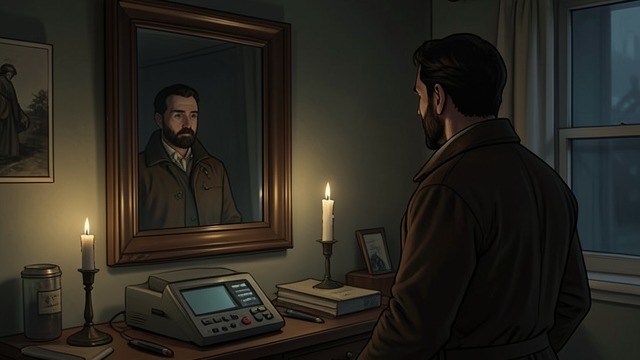
Watching the Self
Substitution
The patient may measure prayer by whether he feels charitable, brave, or forgiven. The act of asking God becomes an attempt to manufacture the desired emotion.
Distraction
This inward monitoring makes mood seem more important than the object of prayer. Fatigue and physical condition can then be mistaken for spiritual success or failure.
The Composite Image
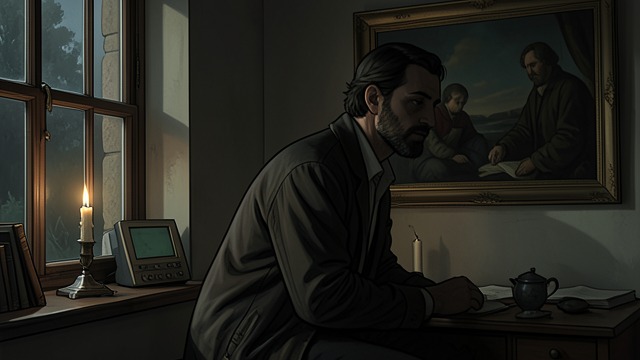
Image and Presence
Limitation
The patient’s picture of God may draw on art, memory, bodily feeling, or a location in the room. Such images are human constructions rather than the reality they point toward.
Risk
Screwtape wants him to perfect the image instead of directing himself beyond it. The prayer becomes more vulnerable when he confuses his representation with God.
Prayer in Dryness
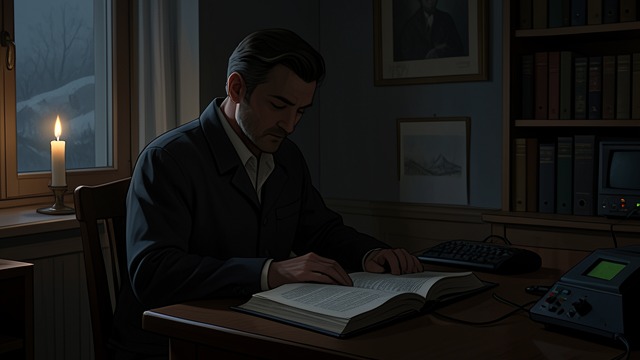
Intention Without Sweetness
Persistence
The patient’s emotions lose their earlier warmth, but he can continue to intend what he believes God asks of him. Such prayer does not depend on a rewarding feeling.
Formation
Screwtape recognizes that obedience in dryness may be especially valuable. The patient’s will grows through action when emotional support is absent.
A More Honest Attention
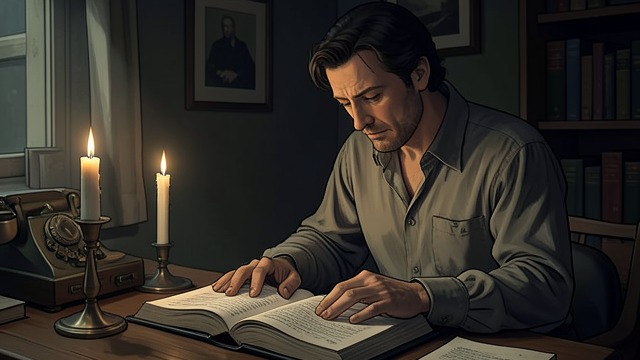
Turning Outward
Renewal
The patient’s return from spiritual drift restores the possibility of sincere prayer. He becomes less invested in preserving a flattering picture of his own religious state.
Direction
The letters frame prayer as attention to God rather than self-observation. Its importance lies in the changed orientation it makes possible in ordinary conduct.
Soon after the patient becomes Christian
During the patient’s early efforts to pray
As the patient tries to imagine God in prayer
During the patient’s spiritual trough
After the patient’s repentance
